Use the Canadian clock change to cut recurring meetings
Treat the Canadian clock change as a forced calendar audit, then cancel or rebuild standing invites with a blameless note.
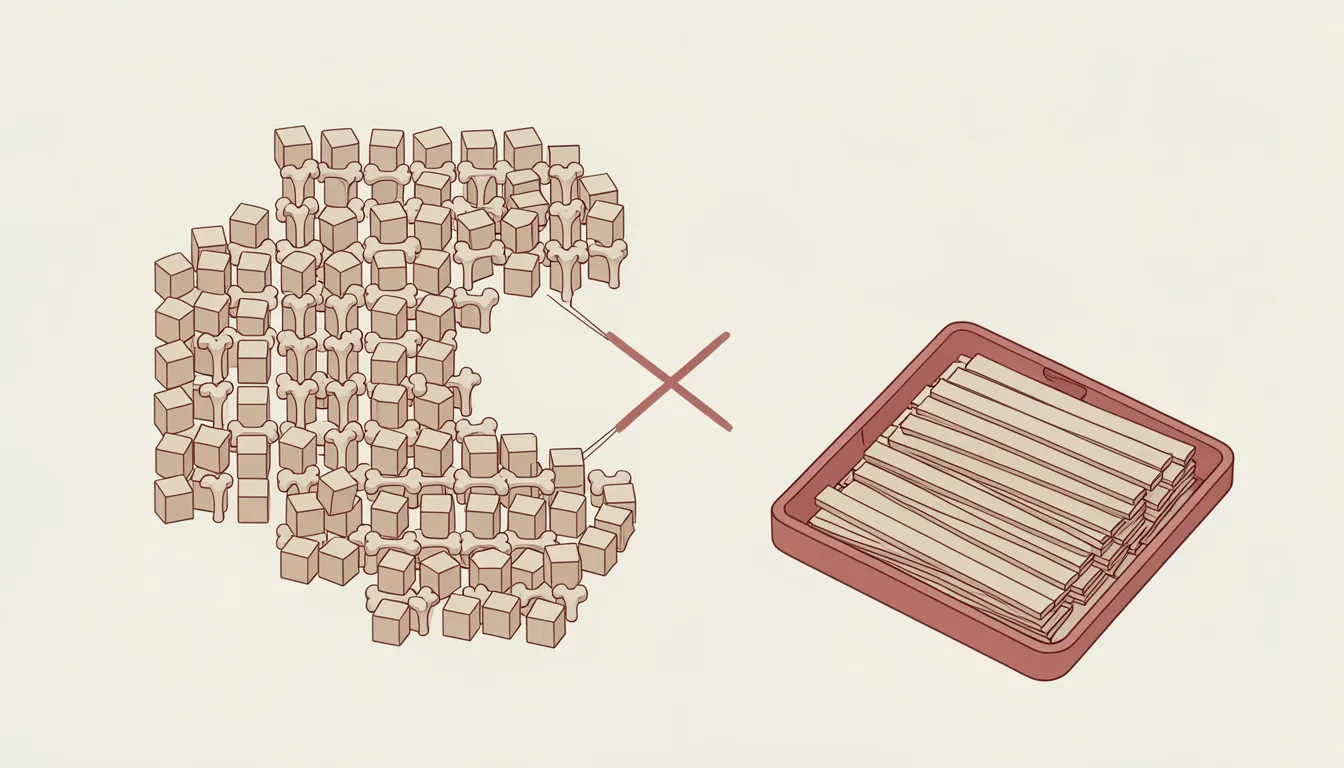
The clock change is the excuse
Your calendar is full of recurring invites that arrived before you thought about them. On November 1, 2026, the affected Canadian regions of British Columbia, Alberta, and Manitoba stopped their seasonal clock change and stayed on UTC-07:00, UTC-06:00, and UTC-05:00 respectively.
Existing Outlook and Exchange Online calendar entries would not move automatically, and recurring meetings needed extra review. Changing the time zone of a recurring Outlook meeting resets earlier reschedules, so those rescheduled items must be recreated. A fix for recurring Outlook meetings was still in development and had no confirmed date.
The disruption makes a calendar cleanup feel like maintenance: you are responding to a system that stopped moving the way it used to.
After an IT incident is resolved, a post-incident review examines it in a structured, blameless way. Blameless postmortems trace their origins to site reliability engineering, the practice of keeping software systems stable, and aviation safety, where investigators found that fear of blame makes people hide facts needed to prevent future accidents.
Apply the same logic to meetings: the disruption is the incident, the calendar is the system, and the invite is the process. If the process no longer produces output, fix the process, not the person who scheduled it.
The cost is the hours you stopped counting
A full calendar is a ledger. Every standing invite is a line item. If nobody reviews the line item, the cost grows. Recurring meetings are the easiest cost to miss because they never ask for permission again. They stay on the calendar and become normal. The clock change gives you a reason to look at the ledger without blaming anyone.
The audit is a checklist, not a punishment
In Uptime Institute's 2025 outage analysis, 85% of major outages tied to human error were traced to people not following procedures or to defective processes. A standing invite with no owner is the same defect, except the outage is your week. The audit below is short because each item exposes a different kind of cost.
- Name the owner. Ask whether a person is accountable for a decision, unblock, or deliverable. If the answer is everyone, the invite is a process gap.
- State the purpose. Write the outcome in a sentence. If you cannot say what changes because of the meeting, cancel it.
- Check the last real output. Look for a decision, unblock, or deliverable that came from the meeting. If you cannot find it, cancel it and note the reason.
Owner catches meetings that lost an owner, purpose catches meetings that became habits, and output catches meetings that worked before but stopped. Passing invites stay, invites that need a new time get rebuilt, and failing invites get canceled. Do not turn this into a performance review. Ask whether the format still earns the time.
Cancel in a note, then stop defending
Send one note to the invite: “The calendar disruption is forcing a review of standing invites. I’m keeping the ones that still produce a decision or unblock, rebuilding the ones that need a new time, and canceling the rest. If I missed a real output, tell me and I’ll put it back.”
For the ones you keep, set the new time in a fresh invite instead of reusing the old series. For the ones you cancel, say the work may still matter, but the format stopped producing output. That keeps the conversation about the invite, not the person.
If someone objects, ask for the last real output. A named output earns a rebuild with a tighter purpose; a missing one earns cancellation and a note. Then close the note and move on to the next block of work that actually needs you.