Make meeting cuts stick: name one owner for the recurring stack
A recurring meeting cut sticks when one owner re-justifies the stack on a fixed cadence and has explicit authority to cancel it.
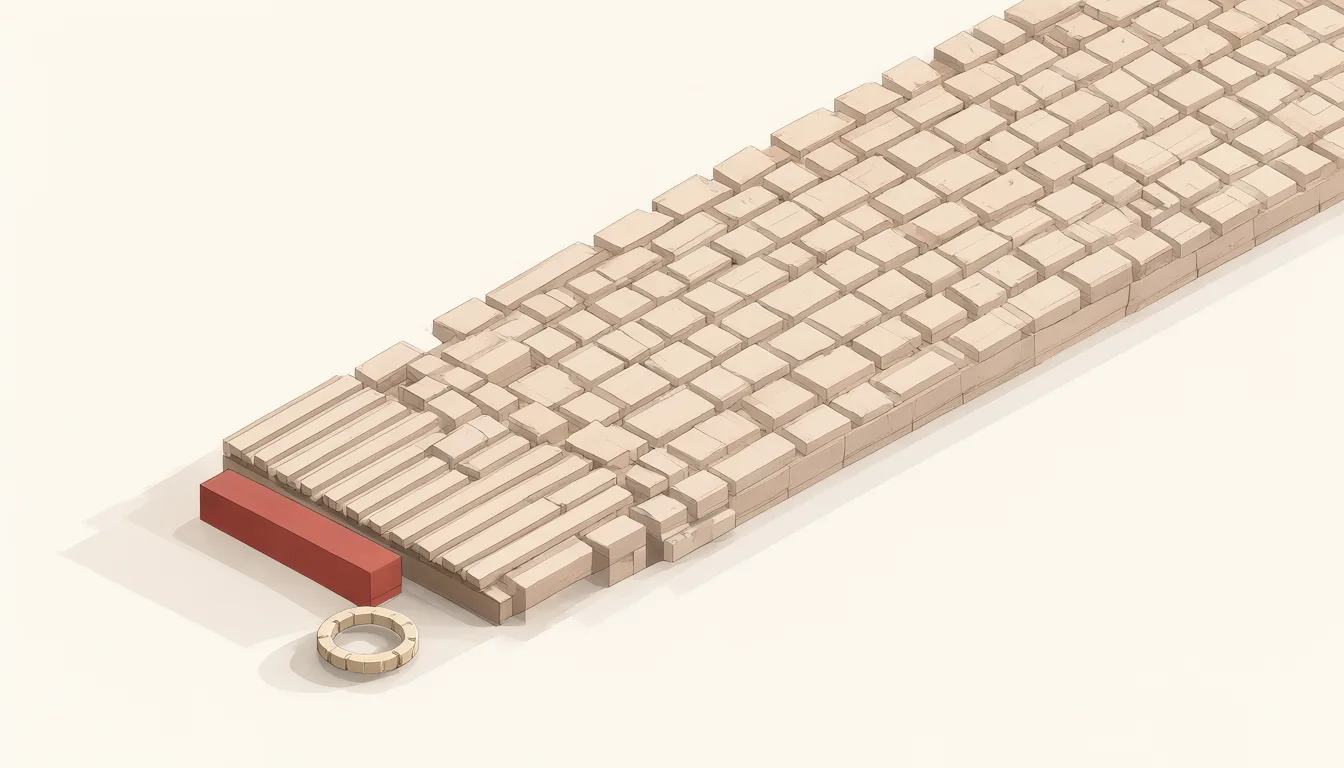
The cut fails when the invite has no owner
Your meeting cut reversed because the invite still had no owner. A recurring meeting is a small contract: the work matters, the time is protected, and the people should show up. When nobody owns the contract, the invite outlives the reason for it.
A recurring invite can survive a project, a reorg, a changed priority, and a new manager. It does not ask for permission to renew. It simply appears again.
Logitech's Workplace Equation study surveyed 1,700 workplace experience decision-makers across 11 countries. The median productivity loss per person from a meeting technical failure was 12.2 minutes. 30% of respondents said a single technical disruption cost at least 16 minutes of productivity per person. Those numbers describe one bad call. The bigger leak is the standing meeting that nobody re-justifies.
Workplace authority was split across functions, and 81% of HR leaders considered HR the main authority. Workplace friction lacked ownership because IT, HR, and real estate worked on separate tracks. Several people can contribute to a project, but only one person can say the outcome sits with them. A calendar needs the same rule: one person should own whether a recurring meeting continues.
One owner makes the cut stick
Say the team has a weekly sync, a monthly review, and a daily standup. The hours add up before the work begins. Do not ban meetings. Make the recurring stack accountable.
The owner does not need to be the most senior person. They need to be able to say the series is useful, or admit it is not.
- List the recurring stack. Export or screenshot the team calendar and mark every series that repeats weekly, monthly, or quarterly. Include the ones that feel harmless: a daily check-in, a weekly status, a monthly all-hands, and a quarterly planning call. The output is a short table: series name, owner, last reason, next review.
- Name one owner for each recurring series. Put the owner in the invite title or the top of the description. Choose the person closest to the outcome, not the loudest voice in the room. If two people claim the series, the owner is the one who can stop it without a vote. The test is whether the owner can answer why the series exists, who needs it, and what happens if it stops.
- Set a fixed re-justification cadence. Choose a date the owner must defend the series: monthly for short cycles, quarterly for long ones. The cadence should match the risk. A daily standup needs a tighter review than a quarterly planning call. Put a one-line note in the invite: this series is reviewed on a set day each quarter.
- Give the owner cancel authority. The owner should be able to end the series without asking permission from every attendee. They can cancel a series that has become a status update, a complaint forum, or a place where decisions are made by default. The common failure is making the owner a volunteer with no authority. The rule is simple: if the owner cannot state the purpose in one sentence, the series ends.
- Make cancellation a template. Use a short message: this series ends after today, the reason is recorded, and anyone can re-add it with a one-line purpose. The message should be short enough that no one has to guess the next step. The exit is graceful, not a debate in the thread.
- Put the review on the calendar. Block a recurring meeting audit for the owner, not the whole team. Treat the audit as a maintenance pass. The slot is short: the owner scans the stack, cancels the weak series, and notes the next review date.
If a team resists, the owner asks for the one-line purpose. If it comes back, the series restarts. If it does not, the owner records the reason and closes the series.
A boring cancellation path keeps the cut from reversing
People do not cancel standing meetings because they are afraid of being difficult. They cancel them when the path is easy and the owner is clear. A graceful cancellation does not require a long explanation. It requires a clear end date, a recorded reason, and a path to restart if the need returns.
Keep the rule visible: one accountable owner, one review date, and one way to end it. When the owner re-justifies the stack on a fixed cadence, the cut stops reversing. The owner sends the end note, the calendar updates, and the next review date appears in the invite.